

Struggling with Dry Skin in Calgary? Hyaluronic Acid Might Be the Solution
Hyaluronic Acid also known as Hyaluron or Hyaluronan, is one of the most powerful, skin-loving ingredients your body naturally produces. Think of it as your skin’s built-in hydration magnet, capable of holding several times its weight in water to keep your skin plump, smooth, and glowing. But here’s the catch: as you age, your body produces less of it. The result? Dryness, fine lines, and that loss of youthful bounce we all notice over time. That’s where Hyaluronic Acid steps in as a true game-changer. Available in both long-chain and short-chain forms, it works on multiple levels of the skin, deeply hydrating from within while smoothing and refining the surface. When used consistently in products like serums, moisturizers, eye creams, and toners, it helps restore your skin’s moisture balance, visibly plumps the skin, and softens the signs of aging.
At Lona Spa, we’re passionate about helping you achieve healthy, radiant skin. In this article, we take a deeper dive into how Hyaluronic Acid works, its unique benefits for different skin types, and how you can incorporate it into your daily routine for the best results.
If you’re ready to upgrade your skincare routine and unlock the secret to youthful, glowing skin, keep reading.
What Is Hyaluronic Acid
Hyaluronic acid (HA), also known as hyaluronan or hyaluronate, is a naturally occurring, gel-like substance found throughout the human body—most abundantly in the skin, joints, eyes, and connective tissues. It belongs to a group of molecules called glycosaminoglycans, which are long chains of sugars (polysaccharides) that help maintain hydration and structural integrity in tissues. One of HA’s most remarkable qualities is its ability to retain over 1,000 times its weight in water, making it a superstar ingredient for keeping skin plump, smooth, and hydrated.
While collagen often gets the spotlight in skincare, hyaluronic acid plays just as vital a role in maintaining youthful skin. It’s a key component in the extracellular matrix, helping give skin its firmness and bounce. Unfortunately, the body’s natural production of HA starts to decline around the age of 25, contributing to moisture loss, fine lines, and visible signs of aging. Beyond skincare, HA also supports joint health and wound healing, highlighting its multifunctional benefits.
Whether you’re dealing with dryness, dullness, or the first signs of aging, incorporating hyaluronic acid into your skincare routine isn’t just a trend—it’s a science-backed way to nourish and protect your skin from within.
Benefits of Hyaluronic Acid for Skin
Hyaluronic acid (HA) isn’t just a buzzword in skincare—it’s a scientifically backed compound with powerful effects across the body. From promoting skin hydration to easing joint pain, this naturally occurring molecule plays an essential role in our health and well-being. Here are 11 impressive benefits of hyaluronic acid you should know:
- Deeply Hydrates the Skin
HA is renowned for its incredible moisture-retaining abilities, capable of binding up to 1,000 times its weight in water. Whether applied as a serum, lotion, or cream, it significantly boosts hydration levels, especially in dry skin. Clinical studies show noticeable improvements in skin moisture within weeks of use. - Supports Wound Healing
Beyond hydration, HA plays a critical role in tissue repair. It helps reduce inflammation and accelerates wound recovery by maintaining a moist environment ideal for regeneration. - Improves Skin Texture
As skin ages, texture can become uneven or rough. Regular use of hyaluronic acid can smooth the skin’s surface and improve its elasticity, leading to a softer, more refined appearance. - Minimizes Signs of Aging
Since about half of the body’s HA is located in the skin, a decrease over time can lead to fine lines and sagging. Topical application has been shown to reduce wrinkle depth and restore firmness, making it a powerful anti-aging ally. - Eases Joint Discomfort
HA is a natural component of synovial fluid—the lubricant in our joints. Injections or combined treatments can help relieve pain associated with conditions like osteoarthritis, enhancing mobility and comfort. - Helps Manage Dermatitis
HA-based formulations, especially in foam form, have shown promising results in managing eczema symptoms. Users often find them more soothing and effective than traditional creams. - Aids in Oral Health and Gum Repair
Topical HA has been found beneficial for healing after dental procedures and in the treatment of gum disease, promoting faster recovery and reducing inflammation. - Relieves Acid Reflux Symptoms
When combined with acid-suppressing medications, HA supplements may help reduce the discomfort caused by non-erosive reflux disease, including heartburn and irritation. - Treats Dry Eye Syndrome
Due to its natural presence in the eyes, HA-based eye drops are an effective remedy for dryness and irritation. Oral and topical HA together have been shown to provide even greater relief. - Alleviates Vaginal Dryness
Particularly useful post-menopause, hyaluronic acid creams can effectively relieve vaginal dryness. Studies indicate it may even outperform some hormone-based treatments, offering a safe alternative for those avoiding estrogen. - May Help with Bladder Pain
Early evidence suggests that directly introducing HA into the bladder might reduce symptoms of interstitial cystitis, a chronic condition causing bladder pressure and discomfort.
How to Use Hyaluronic Acid Safely and Effectively
Hyaluronic acid (HA) is a versatile compound used in both skincare and medical treatments. While it’s generally safe and well-tolerated, understanding how it interacts with other products and how to use it correctly is key to maximizing its benefits and minimizing risks.
🧪 Interactions with Other Products
When combined with other medications, supplements, or skincare ingredients, hyaluronic acid may occasionally cause side effects or alter the effectiveness of certain treatments. That’s why it’s crucial to:
- Consult your doctor or pharmacist before combining HA with prescription medications or supplements.
- Inform your healthcare provider about all products you’re using—including vitamins, herbal supplements, and over-the-counter items.
💊 Ways to Use Hyaluronic Acid
HA is available in various forms, each serving different purposes. Here’s how you can incorporate it into your routine:
- Oral Supplements
- Form: Pills, capsules, or liquid drops
- Benefits: May help reduce joint pain, improve skin elasticity, and support eye health
- Availability: Over-the-counter
- Topical Application
- Form: Serums, creams, lotions, gels, ointments, patches, or even DIY powder mixes
- Benefits: Hydrates skin, reduces wrinkles, improves skin texture
- Availability: Widely available in skincare products
- Eye Drops
- Use: Treats dry eye symptoms and supports eye hydration
- Common in: Artificial tears and ophthalmic solutions
- Intimate Products
- Form: Vaginal creams or personal lubricants
- Use: Relieves dryness and discomfort, especially in menopausal women
🩺 Prescription & Clinical Uses
Some HA treatments require medical supervision and are typically used for therapeutic purposes:
- Injections
- Joint Injections: Used to ease arthritis pain by lubricating joints
- Dermal Fillers: Restore volume in the skin (e.g., for lips, cheeks, or acne scars)
- IV Medications: Sometimes paired with HA for better absorption
- Nasal Application
- Use: Helps with drug delivery through the nasal passage
- Inhalers/Nebulizers
- Use: May assist in managing respiratory conditions like asthma or lung infections
⚠️ Important Note: Injections or internal use of hyaluronic acid should only be administered by qualified medical professionals. Incorrect usage can lead to serious complications or, in rare cases, life-threatening reactions.
Are There Any Side Effects of Using Hyaluronic Acid?
While hyaluronic acid (HA) is generally considered safe and well-tolerated—especially since it’s naturally found in the body—it’s important to know that not all HA is created equal. In some cases, certain forms or concentrations of HA may cause unwanted effects.
⚠️ Possible Side Effects and Considerations
- Concentration Matters
- Experts recommend keeping HA concentrations below 2% in skincare formulations.
- Higher concentrations, especially in DIY products, can actually pull moisture from deeper layers of the skin if used in dry environments—leading to more dehydration, not less.
- Molecular Weight Can Make a Difference
- Very low molecular weight HA (around 5 kDa) can penetrate deeply into the skin.
- While this may sound beneficial, it also means it might carry unwanted substances—like pollutants or bacteria—deeper into the skin, particularly if your skin barrier is compromised (e.g., sensitive, inflamed, or acne-prone skin).
- Not All HA Is Safe for Everyone
- Some studies suggest that certain forms or high levels of HA are associated with inflammatory skin conditions, such as psoriasis.
- Another study found that HA, when used in specific formulations, actually slowed down wound healing compared to simpler ingredients like glycerin—likely due to the concentration and molecular structure of the HA.
🧴 What You Can Do
- Stick to trusted brands and professionally formulated products.
- If you’re making your own serums, ensure you understand HA types (high vs. low molecular weight) and how to safely dilute them.
- Perform a patch test, especially if you have sensitive or compromised skin.
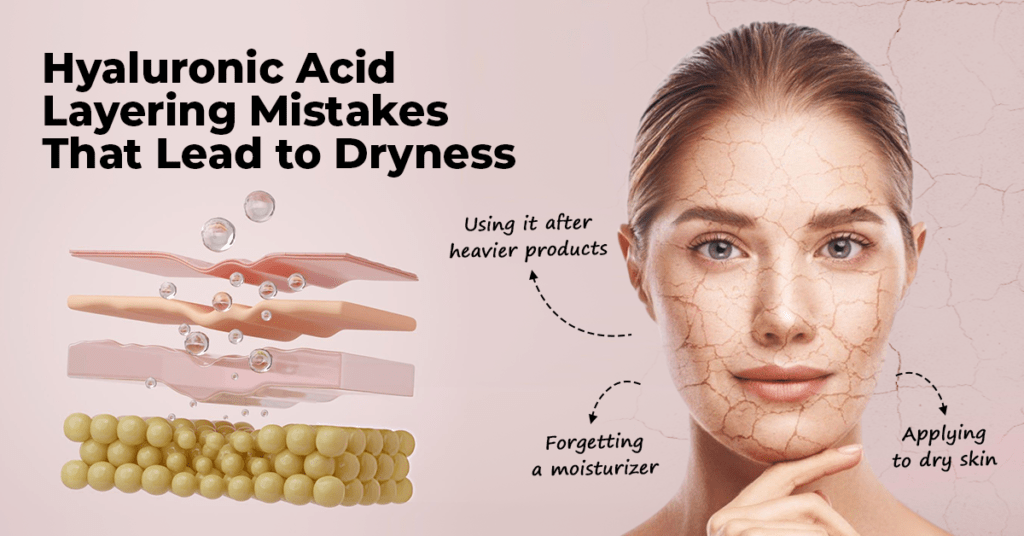
- Always apply HA to slightly damp skin and follow with a moisturizer to seal it in.
✅ The Good News
On its own, HA is non-comedogenic, non-irritating, and unlikely to cause allergic reactions, because the body already produces it naturally. With the right formulation and usage, it’s still one of the best ingredients out there for hydration and anti-aging.
Frequently Asked Questions
Hyaluronic acid helps your skin retain moisture, making it look more hydrated, plump, and smooth. It can reduce the appearance of fine lines and give your skin a healthy, glowing look almost immediately.
Yes, hyaluronic acid is especially beneficial in dry climates like Calgary. It attracts moisture to the skin and helps prevent dehydration caused by cold weather and low humidity.
You can notice improved hydration within hours of using hyaluronic acid. For long-term benefits like smoother texture and reduced fine lines, consistent use over a few weeks is recommended.
Hyaluronic acid is safe and effective for all skin types, including sensitive, oily, and acne-prone skin. It is lightweight, non-comedogenic, and rarely causes irritation.
Serums provide surface-level hydration, while professional spa treatments in Calgary deliver deeper penetration, longer-lasting hydration, and more noticeable skin rejuvenation results.
For best results, many people choose treatments every 4–6 weeks. Your ideal schedule may vary depending on your skin condition and goals.
Yes, hyaluronic acid helps reduce the appearance of fine lines and wrinkles by keeping the skin hydrated and plump. It’s one of the most recommended ingredients for anti-aging skincare.
Absolutely. By improving hydration levels, hyaluronic acid enhances your skin’s natural glow and gives it a fresher, more radiant appearance.
Hyaluronic acid is generally very safe. In rare cases, mild irritation may occur, but it is suitable for most people when used correctly.
Professional treatments offer deeper hydration, expert application, and customized care based on your skin type. This leads to faster and more visible results compared to at-home products.